














• English
  • Deutsch
  • Français

Knowledge commons for human development

  • Freedom to learn
    • Learning by Sharing
    • News on Freedom to learn
    • Course material OpenIT
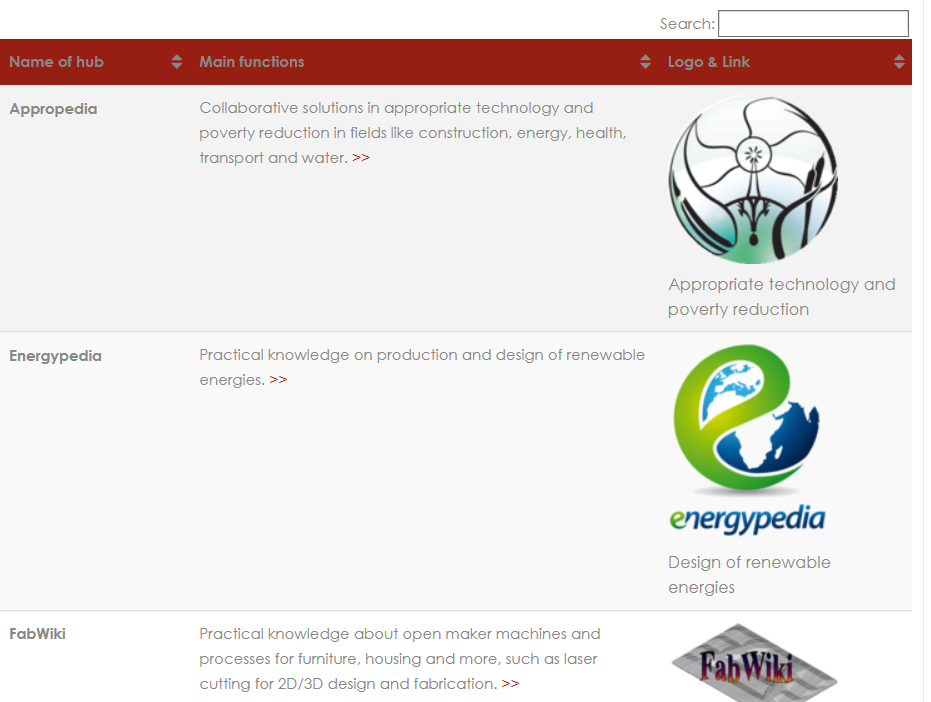
    • Compendium: hubs for peer production 4Dev
    • News on commons-based peer production
    • UNESCO: What I did there, how I got there
  • Freedom to innovate
    • News on Freedom to innovate
    • Why “Free and Open Source Software” for Development?
  • Open Source IT business
    • Open Source & Africa
    • Open Source & Asia
    • Course material OpenIT
    • Why “Free and Open Source Software” for Development?
  • Publications
    • Articles and Books
    • Course material OpenIT
    • News on publications
    • Presentations
    • University works
  • About
    • About this site & me
    • Nice quotes: “Webworte”
    • Contact me / Follow my work
    • Imprint
    • Privacy Policy / Datenschutzerklärung
Build it! How to democratize AI by creating AI training commons and new alliances

Build it! How to democratize AI by creating AI training commons and new alliances

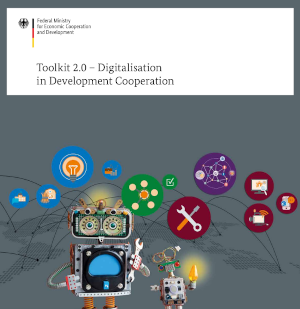
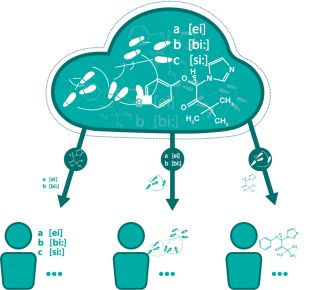
So I have been involved in an AI project since a while professionally (see https://toolkit-digitalisierung.de/en/fair-forward/). Also, this website is all about how to understand and how to foster knowledge commons and open knowledge peer production for human development. Therefore, I would like to present you here some thoughts on how we might be able to […]

How to build Open Source Software Systems in Development Cooperation Projects

How to build Open Source Software Systems in Development Cooperation Projects

So you would like to build a software system for a project of development cooperation and you consider using “Free and open source software (FOSS)”? Good choice, as going open source will offer you a highly sustainable and cost-effective way of developing these systems. See also my think-piece on the “why development cooperation should use […]

More repositories for commons-based peer production! – compendium updated

More repositories for commons-based peer production! – compendium updated

I just updated the “Compendium of hubs for commons-based peer production 4Dev”, which is hosted on this site. By adding the “Low-tech Lab”, I now count fourteen hubs and repositories. If you are aware of any other hub, please let me know. Check out the compendium here.

Emerging Schools of Thought on Commons-Based Peer Production – New Article Out

Emerging Schools of Thought on Commons-Based Peer Production – New Article Out

Researcher Evangelos Papadimitropoulos just published a cool article that sums up and puts into perspective some of the emerging schools of thought on commons-based peer production (cbpp). Fresh hot off the (virtual) press, it also presents a pretty comprehensive and up-to-date list of references. I recommend the article to everyone interested in getting beyond the basics […]

How can digital, open manufacturing help to cover basic needs in crisis situations?

How can digital, open manufacturing help to cover basic needs in crisis situations?

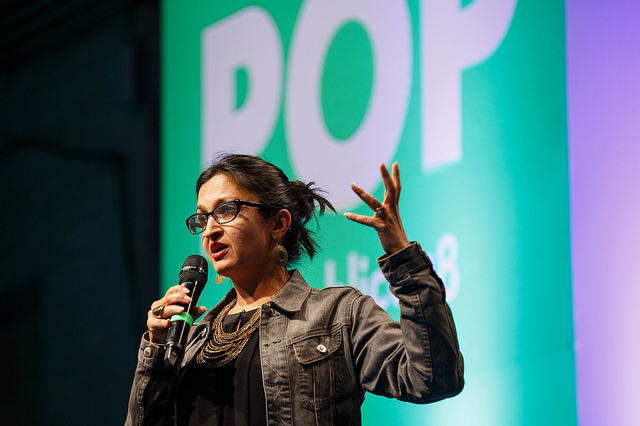
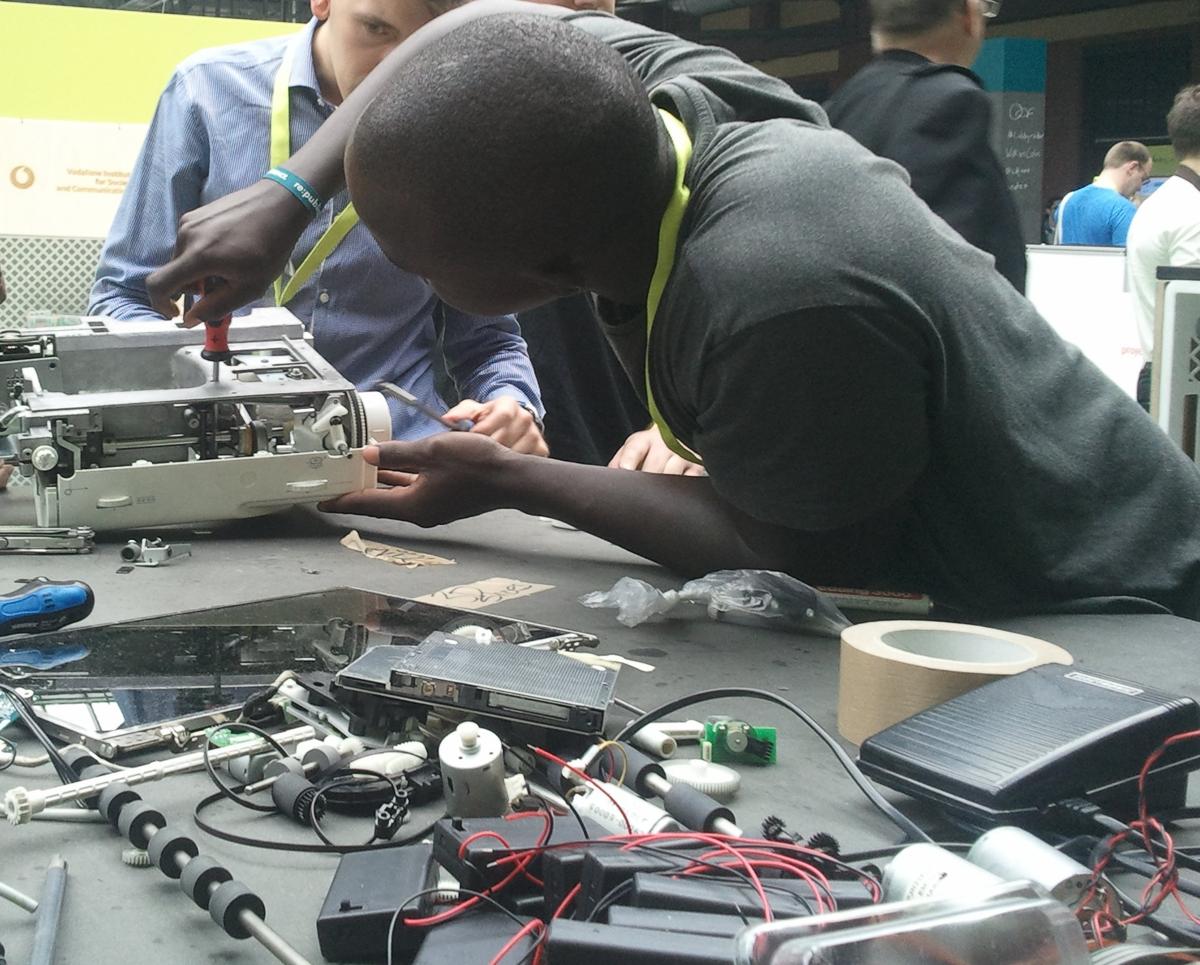
I report here about one of my favorite sessions at re:publica 2018, which was on „Crisis response makerspaces“. I finally had the opportunity to meet Susan Long, innovation adviser at Field Ready in Syria and Bahar Kumar, strategic adviser at Nepal Communitere. Both stressed the need to „be locally grounded“ and to build strong communities […]

What is Open Manufacturing?

What is Open Manufacturing?

What is “open manufacturing”? When I tried to look up the term in Wikipedia some months ago, I was surprised to find no entry on “open manufacturing”.  Nice opportunity to learn more about the term by writing the first stub with a group of people discussing the issue of “open manufacturing”… Now its your turn: […]

Why Africa needs a local 3D printing industry and an ‘appropriate tech maker movement’ – Interview with Roy Mwangi Ombatti  at re:publica 2015

Why Africa needs a local 3D printing industry and an ‘appropriate tech maker movement’ – Interview with Roy Mwangi Ombatti at re:publica 2015

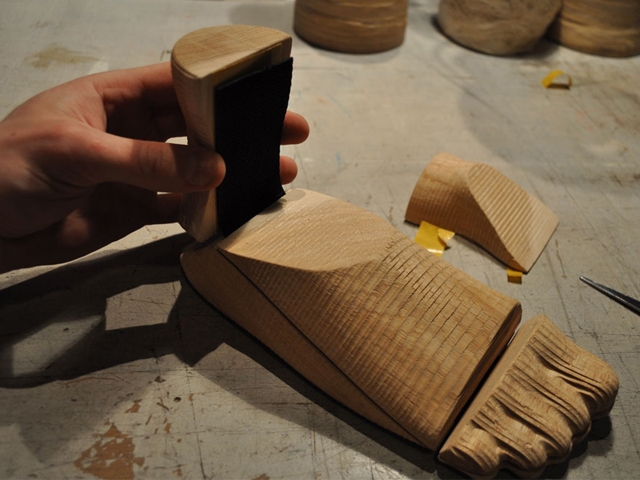
Roy Mwangi Ombatti  started to tinker with 3D-printing in Nairobi, Kenya more than three years ago. He co-founded and led the Nairobi FabLab Robotics Outreach Program, he produces 3D printers from waste materials, became a Stanford Fablearn Fellow 2014 and he developed a successful low-cost solution to a pressing health problem (his project ‘Happy Feet’ […]

How to make money the open-source-way, but keep the commons alive? – Question 7 of 10 on ‚learning by sharing’

How to make money the open-source-way, but keep the commons alive? – Question 7 of 10 on ‚learning by sharing’

Open innovation – often based on open licensing and commons-approaches – is changing the business models of more and more businesses and social institutions. Before the advent of open innovation, innovation was kept within the boundaries of the firm (or research institution). In contrast, “Open innovation is a paradigm that assumes that firms can and […]

Where to find free knowledge for open innovation in development? – Question 6 of 10 on ‚learning by sharing’

Where to find free knowledge for open innovation in development? – Question 6 of 10 on ‚learning by sharing’

In previous blog entries, I talked a lot about commons-based peer production and learning in areas crucial to development cooperation such as Energy, Health, Education etc. A key question then is where to find such “free knowledge” for open innovation and for peer-production in the different sectors of human development? I have collected an annotated compendium […]

Peer-producing knowledge: a game-changer for development cooperation? – Question 5 of 10 on ‚learning by sharing’

Peer-producing knowledge: a game-changer for development cooperation? – Question 5 of 10 on ‚learning by sharing’

Some critics argue that commons-based peer production and learning only apply in the digital, non-real world (“building websites”, “building online training material”). The concept, they say, is therefore less of interest to international and development cooperation, which focuses on non-digital environments and “hard” topics such as health, energy or agriculture. Jaime from Bolivia and John […]

What makes learning communities self-governed & fun? – Question 4 of 10 on ‚learning by sharing’

What makes learning communities self-governed & fun? – Question 4 of 10 on ‚learning by sharing’

Frank Tilugulilwa is an IT trainer in Tanzania. He teaches local IT companies how to build services and revenues around so-called “Free and Open Source Software”. Such software can be copied and modified by every company and every individual client. Frank has written a training manual with over 80 other IT trainers and experts throughout […]

How to build learning communities, that work peer-to-peer? – Question 3 of 10 on ‚learning by sharing’

How to build learning communities, that work peer-to-peer? – Question 3 of 10 on ‚learning by sharing’

In the field of online sharing and learning, the “Massive Open Online Course” (“MOOC”) has received a lot of attention. Many are enthusiastic about what elite universities such as the Massachusetts Institute of Technology and the University of Harvard are piloting. The two schools have offered joint online courses that have attracted well over 100,000 […]

What makes people share knowledge? – Question 2 of 10 on ‚learning by sharing’

What makes people share knowledge? – Question 2 of 10 on ‚learning by sharing’

Why do peers help peers to share and co-produce knowledge? Research suggests that there is a whole set of motivations that makes people share their knowledge, a mixture between altruistic and self-serving motives summed up in the following table: 14 Reasons Why Peers Help Peers to Learn: Why Do They Share Their Knowledge? (Table 1) […]

What is commons-based peer learning? – Question 1 of 10 on ‚learning by sharing’

What is commons-based peer learning? – Question 1 of 10 on ‚learning by sharing’

The Internet and with it the rise of social networks have enabled a radically innovative way of producing knowledge-related goods. Software can now be jointly written by thousands of developers as the operating system ‘Linux’ shows. The encyclopedia Wikipedia is updated by roughly 1.7 million contributors worldwide. Law professor Yochai Benkler has coined the term […]

Let’s talk about “Learning by Sharing”

Let’s talk about “Learning by Sharing”

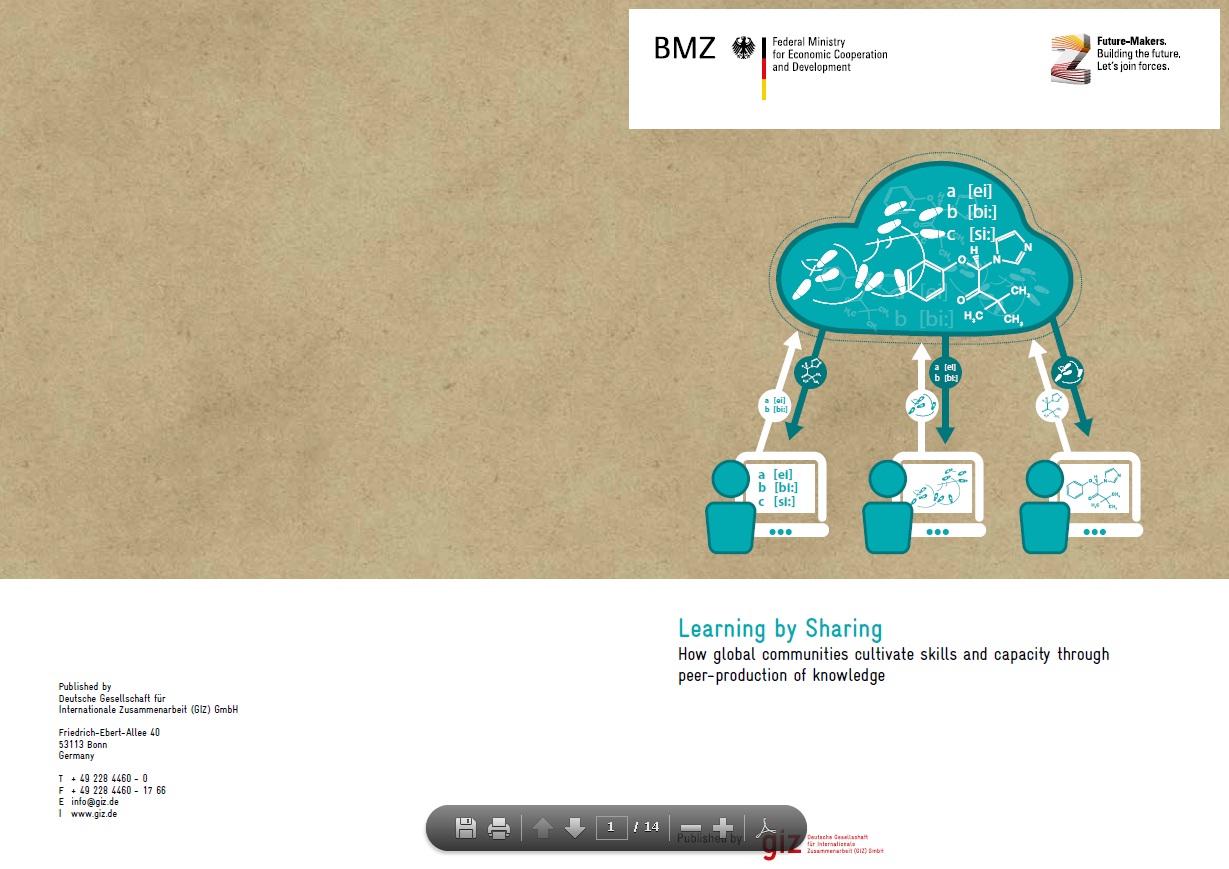
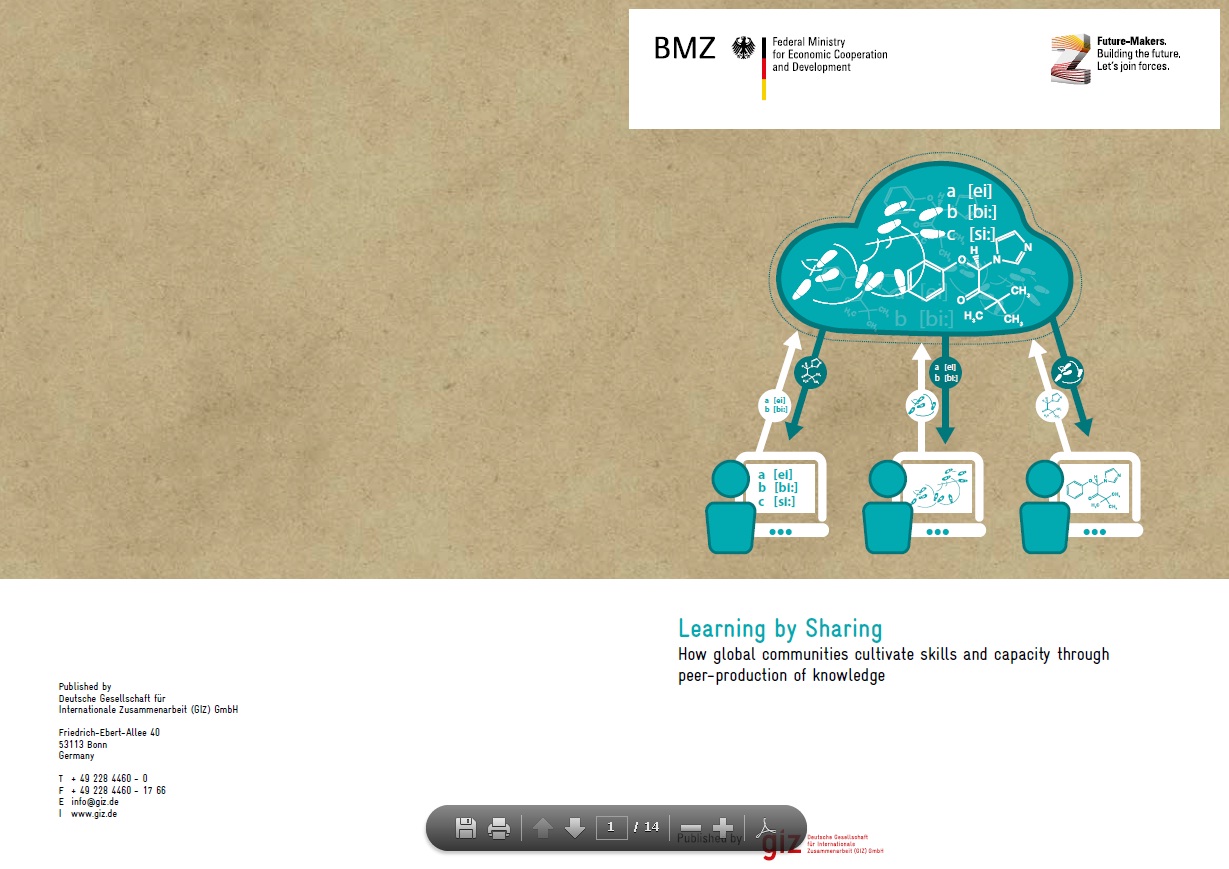
Today, I invite you to join the conversation on an article, which I just published on the issue of “Learning by sharing – how global communities cultivate skills and capacity through peer-production of knowledge“. I posit in this paper, that commons-based peer learning offers a trigger to enhance skills, competencies, connections, capacities, and the agency […]

Scientific books gone wild –new methods for co-producing books & science knowledge

Scientific books gone wild –new methods for co-producing books & science knowledge

Good news from re:publica 2014: Some scientists are moving from the “open access” paradigm (and battle) to the real paradigm shift (and real battle?):They now talk about “Books gone wild – how we write scientific books in an open, collaborative and continuous way”. In other words: they are moving from open access to open knowledge […]

Dirk Messner asks: How Can We Learn to Cooperate in a World of Nine Billion People?

Dirk Messner asks: How Can We Learn to Cooperate in a World of Nine Billion People?

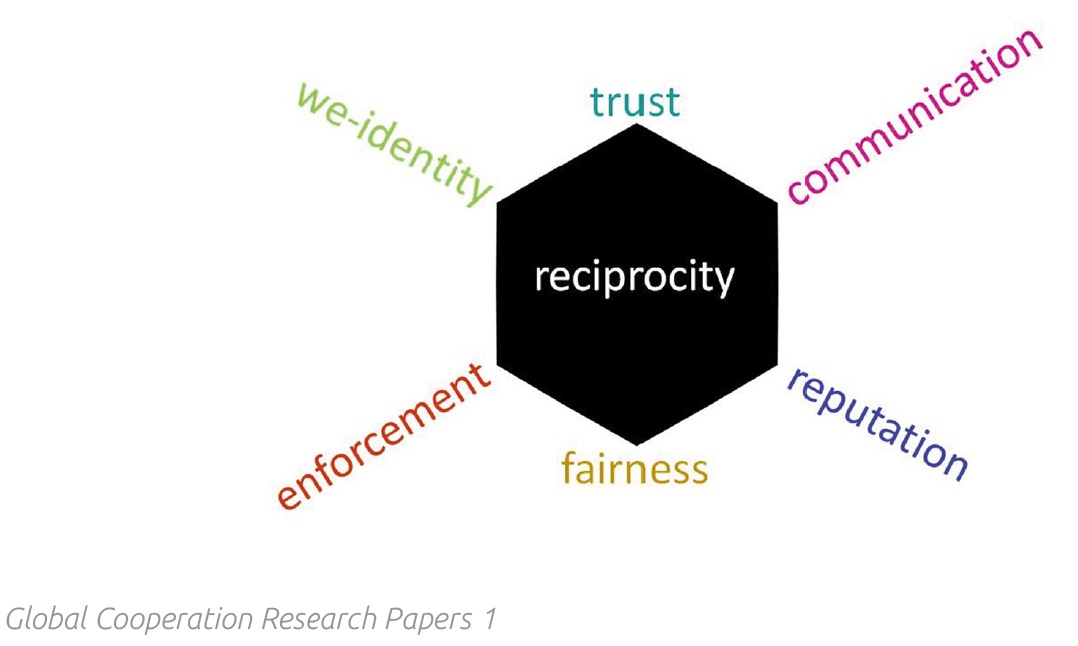
  Last week, I took part in a webinar with Dirk Messner on “the enabling mechanisms of cooperation”. The lecture was part of the massive open online course “Leadership for Global Responsibility” of GIZ. My takeaway has the form of a hexagon, more precisely the “cooperation hexagon” (see picture).Messner (with co-researchers Guarin and Haun) managed […]

Knowledge sharing in the informal economy in Africa & the knowledge commons – who „owns“ knowledge? (part I)

Knowledge sharing in the informal economy in Africa & the knowledge commons – who „owns“ knowledge? (part I)

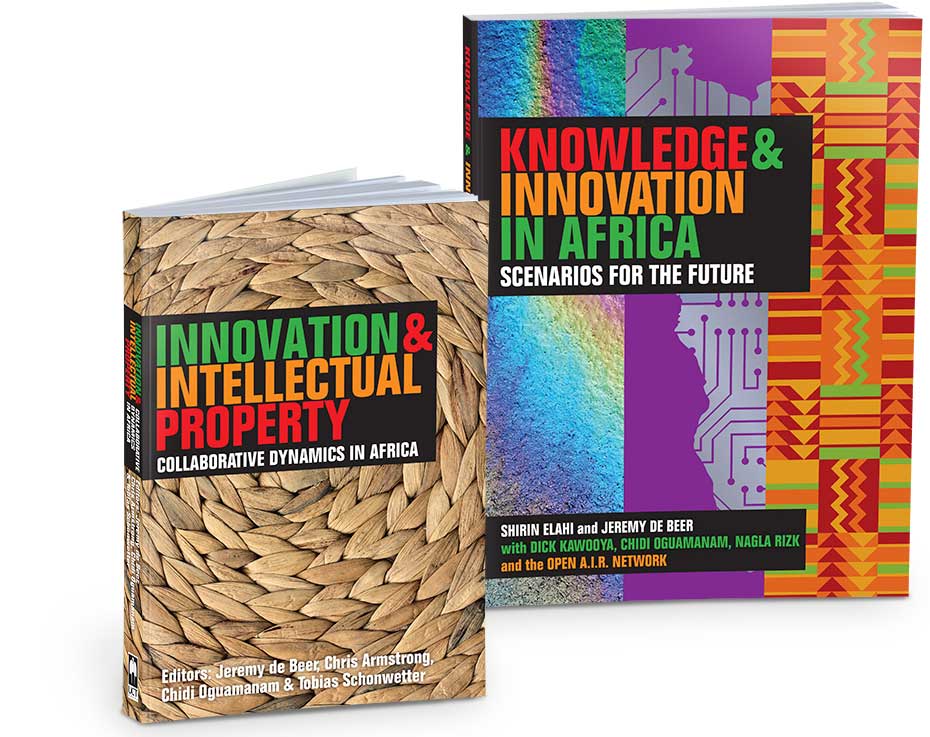
Here, I want to talk about one of the many interesting themes of the compendium „Innovation & Intellectual Property: Collaborative Dynamics in Africa“, which was just released (see also this blog post): Knowledge sharing in the informal economy in Africa and the knowledge commons. [Both links above link to content within the Alumniportal Germany (register […]

Knowledge sharing & community-based innovation models in Africa: Which knowledge governance in the future? (part II)

Knowledge sharing & community-based innovation models in Africa: Which knowledge governance in the future? (part II)

In part II of this blog series, I will link the current reality of knowledge sharing in Africa with appropriate knowledge governance systems for the future. For the future, the Open African Innovation Research and Training network has worked on Three Scenarios for the Future of Knowledge & Innovation in Africa.The current reality is described […]

Just out: Practical knowledge on “Open African Innovation” and stunning examples of the knowledge commons in Africa

Just out: Practical knowledge on “Open African Innovation” and stunning examples of the knowledge commons in Africa

Great start of the long-awaited conference of the Open African Innovation Research and Training Network: We just launched two really interesting compendia on “Open African Innovation” packed with practical examples of the knowledge commons in Africa – and with a tool that allows policy advisors to discuss the future of knowledge governance in Africa in […]

New US bill wants to boost a knowledge commons for (English) college textbooks

New US bill wants to boost a knowledge commons for (English) college textbooks

Like it: Two US senators today introduced the Affordable College Textbook Act, which directs the Secretary of Education to fund the creation of college textbooks and materials to be made available under open licenses. I can only fully agree with the assessment by Creative Commons U.S.A. Director Michael Carrol: “This bill seizes the opportunity to […]

(How) can institutions deal with community-driven innovation? – EFF’ Carolina Rossini at the „Second global congress in Intellectual Property and the Public Interest“

(How) can institutions deal with community-driven innovation? – EFF’ Carolina Rossini at the „Second global congress in Intellectual Property and the Public Interest“

The „second global congress in Intellectual Property and the Public Interest“ that I am attending right now, is full of interesting talks and takes on the „public interest“ side of copyright and development (for more see the extensive twitter coverage at #gcongress). But a highlight was certainly yesterday’s „session on IP, Innovation and Development“.

ict@innovation featured in UNCTAD’s new Information Economy Report – Africa Launch with FOSSFA

ict@innovation featured in UNCTAD’s new Information Economy Report – Africa Launch with FOSSFA

Great news: Yesterday, UNCTAD launched its latest Information Economy Report. Free and Open Source Software is discussed extensively in this years’ edition, which has a focus on “The Software Industry and Developing Countries”. Also great news: the FOSSFA/GIZ capacity building programme ict@innovation is featured prominently, both in the report and at its Africa launch, which […]

Made in my backyard – by and for the world. third day of re:publica is starting

Made in my backyard – by and for the world. third day of re:publica is starting

  Bas van Abel, head of the design lab at waag society, Netherlands had a great session where he spoke about empowering people and fixing our economy by moving to open peer-to-peer production communities. He gave examples of concrete work with miners in Congo, and prosthesis-makers in Indonesia. Bas starts with a quote from Oscar […]

India, the (knowledge) commons and a plan for the future of democracy

India, the (knowledge) commons and a plan for the future of democracy

It is rare these days to see high-level government thinkers talk about the commons. Here is one: Arun Maira of Indias Planning Commission makes the point that commons-based models are important tools to plan for the future of democracy worldwide. Here is the summary: “The world is full of complex problems, but humanity’s main organizational […]

ict@innovation programme moves to West Africa: Balthas Seibold opens training in Abuja, Nigeria

ict@innovation programme moves to West Africa: Balthas Seibold opens training in Abuja, Nigeria

“Free your IT Business in WEST Africa!” This was the motto of the first Training-of-Trainers of ict@innovation held in the West African region. Balthas Seibold and his colleagues Petra Hagemann & George Nyambuya officially welcomed more than 26 FOSS experts from Nigeria, Togo, Ghana, Cameroon and Senegal, who engaged in 10 intense days of peer-discussions […]

Open Educational Resources and Open Licensing for Capacity Building

Open Educational Resources and Open Licensing for Capacity Building

In a recent presentation for GIZ e-learning staff, Balthas Seibold gave an introduction to “Open Approaches to educational provision”, stressing the potential of Open Educational Resources and Open Licensing for Capacity Building. The presentation gives an overview of the changing educational landscape, introduces Open Education and Open Educational Services in practice (openSE, openEd 2.0 (UNU-Merit), […]

Just published: “Unleashing Open Innovation Systems”

Just published: “Unleashing Open Innovation Systems”

The working group on ‘Promoting Innovation Systems’ of Germany’s development cooperation just published a documentation on “Strengthening Innovation Systems in the Context of Development Cooperation”. An article by Balthas Seibold gives an overview of the potential of open innovation for developing countries. Taking the capacity building programme commons@ip as an example, the paper enumerates important […]

Regional Alumni Conference in Southeast Asia discusses Open Source for Healthcare, other topics

Regional Alumni Conference in Southeast Asia discusses Open Source for Healthcare, other topics

So this is me at InWEnt’s first regional Alumni Conference for Southeast Asia in Hanoi, Vietnam. At the conference, I was acting as a moderator of a Workshop on “open source for healthcare” (Link now to latest version of page on the Internet Archive. Here’s a gist of the workshop as summarized back then: Free […]

Silang – the Philippines: Asia Source 3 Meeting Reinforces Asian Free and Open Source Software Movement

Silang – the Philippines: Asia Source 3 Meeting Reinforces Asian Free and Open Source Software Movement

While most technology conferences happen as swanky, slick, and well-rehearsed events, the recently concluded Asia Source 3 took the opposite track and ran a camp that was spartan yet spontaneous. From November 7 to 12, 2009, Asia Source 3 gathered 150 representatives from Southeast Asia to discuss developments in open source. For those six days, […]

Drive for change! Balthas Seibold opens FOSS Bridge EU-Vietnam conferences in Hanoi

Drive for change! Balthas Seibold opens FOSS Bridge EU-Vietnam conferences in Hanoi

More than 80 IT experts gathered on 14 November 2008 at “Drive for change”, a conference on Free and Open Source Software (FOSS) held at Horison Hotel in Hanoi, Vietnam. Carried out as part of the FOSS-Bridge EU-Vietnam initiative, the event was organized by InWEnt of Germany, INRIA of France, and the Institute of Information […]

Empowering Co-operatives in Southeast Asia through Information Technology

Empowering Co-operatives in Southeast Asia through Information Technology

Staff of co-operatives from Indonesia, Thailand, and Philippines who were trained as Information Technology (IT) Specialists by the “Information Technology for Southeast Asian Co-operatives (it@coops) Project” gathered together for the “Regional Forum on it@coops: Empowering Co-operatives through Information Technology” held November 19-21, 2007, Antipolo City, Philippines. The Project is implemented from 2004-2007 in co-ops affiliated […]

Over 40 IT-companies cross FOSS Bridge between Europe and Vietnam

Over 40 IT-companies cross FOSS Bridge between Europe and Vietnam

Hanoi: A total of 42 agreements of cooperation were reached between Vietnamese and European business partners at the end of the first matchmaking event of the project “FOSS Bridge EU-Vietnam” for small and medium-sized IT enterprises in Hanoi, Vietnam. Satisfied by the success of the very first twinning event in the field of open source, […]

Indonesian Minister supports training camp of BMZ/InWEnt/UNDP

Indonesian Minister supports training camp of BMZ/InWEnt/UNDP

Over 140 IT professionals of non-governmental organizations (NGOs) and small and medium-sized enterprises (SMEs) from more than 27 countries gathered at Sukabumi, Indonesia for a nine-day Free/Open Source Software (FOSS) conference and training camp called “ASIA SOURCE II” from 22 to 30 January 2007. The Indonesian Minister for Research and Technology, Mr. Kusmayanto Kadiman showed […]

COSGov Vietnam – Building cooperation via open-source for eGovernance

COSGov Vietnam – Building cooperation via open-source for eGovernance

Open source software can boost economy, battle pirated software in Vietnam, concludes International Conference COSGov.The event was organized by InWEnt’s ICT team and opened by Balthas Seibold on 28 September 2005. More than 300 IT-Experts, governmental representatives and entrepreneurs had gathered in Vietnam’s capital Hanoi from 28-30 September 2005 for “COSGov Vietnam – Building cooperation […]

Balthas’ latest (re)tweets

    See me on Twitter
    Follow @b_seibold

    Recent Comments

    • pdai on Peer-producing knowledge: a game-changer for development cooperation? – Question 5 of 10 on ‚learning by sharing’
    • Balthas on About
    • Balthas on Emerging Schools of Thought on Commons-Based Peer Production – New Article Out
    • Wahdan Arum Inawati on About
    • WINDA EKA SAMODRA on Emerging Schools of Thought on Commons-Based Peer Production – New Article Out

    Recent Posts

    • Landmark study identifies 89 examples of digital commons in Sub- Saharan Africa, looks at how they are sustained
    • Build it! How to democratize AI by creating AI training commons and new alliances
    • How to build Open Source Software Systems in Development Cooperation Projects
    • More repositories for commons-based peer production! – compendium updated
    • Emerging Schools of Thought on Commons-Based Peer Production – New Article Out

    Archives

    EU-Vietnamese IT project launched at CeBIT 2007

    Posted on March 15, 2007 in Freedom to innovate, Open Source & Asia, Open Source IT business by Balthas

    FOSS Bridge logoOn the 15th of March, Balthas Seibold presented a new European-Vietnamese Project at the “CeBIT” in Hannover, the world’s largest IT trade fair. He officially launched the project on Free and Open Source Software (FOSS) cooperation at the LinuxForum. Until 2009 the twinning project will train Vietnamese software enterprises and developers and initiate joint software development projects in FOSS with European IT companies. It thereby aims at an affordable and sustainable ICT model for developing countries and the strengthening of the local ICT service sector. Balthas Presentation is available as a stream from the LinuxMagazine , more information is in the press release and on the website www.foss-bridge.org (UPDATE: Link to last version on the INTERNET ARCHIVE).

    Posted in Freedom to innovate, Open Source & Asia, Open Source IT business Tagged Asia, EU, FOSS, FOSS Bridge, FOSS Bridge EU-Vietnam, IT business, local IT sector, matchmaking, twinning, Vietnam Leave a comment

    Which kind of e-learning technology for development cooperation?

    Posted on February 14, 2007 in Freedom to learn by Balthas

    This question led the discussions at a roundtable of the International LEARNTEC Forum on 13 February 2007 organized by the “German network of e-learning providers D-ELAN” and Learntec, a leading German trade fair for educational and information technology. Balthas Seibold was on the panel with Arndt Bubenzer, common sense, Beate Dippmar, GTZ, Christina Neuhoff, time4you GmbH and Thea Payome, CHECKpoint eLearning (moderator) on: “Open Source or proprietary software: Where is e-learning heading within in German Development Cooperation?”. More on the roundtable is online at the site of Learntec (partly in German) (UPDATE – Link is not to latest version of the site on Internet Archive).

    Posted in Freedom to learn Tagged e-learning, FOSS, open source Leave a comment

    Indonesian Minister supports training camp of BMZ/InWEnt/UNDP

    Posted on January 31, 2007 in Freedom to innovate, Freedom to learn, Open Source & Asia, Open Source IT business by Balthas

    asia source 2Over 140 IT professionals of non-governmental organizations (NGOs) and small and medium-sized enterprises (SMEs) from more than 27 countries gathered at Sukabumi, Indonesia for a nine-day Free/Open Source Software (FOSS) conference and training camp called “ASIA SOURCE II” from 22 to 30 January 2007. The Indonesian Minister for Research and Technology, Mr. Kusmayanto Kadiman showed his support to the initiative by visiting the camp in West Java two times. He emphasized the social and economic benefits and impacts of FOSS to the NGO and SME sectors and introduced the participants to “Indonesia, Go Open Source” (IGOS), an initiative of the Indonesian government which promotes the adoption of FOSS. Read more about his points and about Balthas Seibold’s speech on the conference website. Balthas has been involved in Asia Source II as co-organizer and member of the advisory group – the event is part of the regoinal programm it@foss. Personal views on the training event can be found on the blog of Asia Source II, which has also a report on “Balthas The Illusionist”.

    Posted in Freedom to innovate, Freedom to learn, Open Source & Asia, Open Source IT business Tagged Asia, Asia Source, Asia Source 2, Asia Source II, BMZ, Capacity Building, commons-based peer production, FOSS, Free technology, Indonesia, it@foss, Kusmayanto Kadiman, open source, openness, Southeast Asia, Sukabumi, Tactical Tech, TTC, UNDP Leave a comment

    FOSS@Work in Manila, Philippines

    Posted on November 15, 2006 in Freedom to innovate, Open Source & Asia, Open Source IT business by Balthas

    logo_foss_at_workOver 50 participants from Southeast Asian countries explored the chances for economic and social development through Free and Open Source Software (FOSS) at the “first FOSS@Work International Conference-Workshop for Small-to-Medium Enterprises (SME) in the I.T. Industry”, held at the Heritage Hotel Manila, Philippines from November 12th to 15th, 2006. In his opening speech, Balthas Seibold of InWent Capacity Building International, Germany, stressed, that new business models, innovative local FOSS products and services offer exciting opportunities for SMEs and for countries in the region, but only if the human resource base is expanded through capacity-building and training. Other keynote speakers included the Commissioner Emmanuel Lallana from the Commission on Information and Communications Technology (CICT) of the Philippines, Guest speaker Rep. Teodoro Casino and Shahid Akhtar of UNDP APDIP. Read what others said about foss@work at the account of media reports and on the official conference website. The event was one of the first actions of the regional capacity building programme it@foss.

    Posted in Freedom to innovate, Open Source & Asia, Open Source IT business Tagged APDIP, Asia, Capacity Building, CICT, Emmanuel Lallana, FOSS, it@foss, open source, Shahid Akhtar, SME, Southeast Asia, Teodoro Casino, the Philippines, UNDP, Vietnam Leave a comment

    Knowledge Powers Development

    Posted on September 6, 2006 in Freedom to innovate, Freedom to learn, Open Source IT business by Balthas

    efta2006Knowledge Powers Development was the overarching theme of this year’s Eschborn dialoge, a discussion forum bringing together most of Germany’s development community. Balthas Seibold was a panellist of the workshop “WWW and knowledge – free access to knowledge as the basis for education and economic development”. His credo: New technologies and techniques such as “Free and Open Source Software” can offer interesting opportunities to “power development”. More on the workshop is online in the programme brochure. For a summary of the discussion, also see the blog of Netzpolitik (in German).

    Posted in Freedom to innovate, Freedom to learn, Open Source IT business Tagged access, development, economic development, Education, EFTA, Eschborn dialogue, FOSS, gtz, knowledge, open source Leave a comment

    Free digital knowledge!

    Posted on June 15, 2006 in Freedom to innovate, Freedom to learn by Balthas

    logo-goettingererklaerungFree digital knowledge! claims the German Coalition for Action “Copyright for Education and Research”. These days, Germany is debating new legislation for copyright in the digital era – a proposed text passed the executive branch of government in March of this year. A nationwide coalition of research and educational organizations and personalities fights the proposal, which “would severely” harm education and science in Germany according to the coalition. In particular, access to scientific information could be more restricted and more expensive. Key criticism and proposals are online in the “Göttingen Declaration on Copyright for Education and Research” , which was signed in 2004 – also by the author of this website. The declaration can be signed here.

    Posted in Freedom to innovate, Freedom to learn Tagged copyright, Education, Göttingen declaration, knowledge, knowledge commons, knowledge governance, OER, open innovation, open knowledge models, open learning, Open Licensing, research Leave a comment

    IT@AB participates in IDLELO 2

    Posted on February 28, 2006 in Freedom to innovate, Open Source & Africa, Open Source IT business by Balthas

    FOSSFA-logo_200The SADC knowledge network it@ab (Information technology in Africa Business), with support from InWEnt (Capacity Building International) of Germany sent twenty five delegates from six SADC countries to participate in IDLELO2, the second all Africa conference on Free and Open Source Software in Nairobi Kenya from the 23rd to the 25th of February 2006. InWEnt/it@ab press release. For talks and interviews of Balthas Seibold at Idlelo (in German), check pro-linux (Report bei Markus Beckedahl), Interviews with Deutschlandfunk and WDR .

    Posted in Freedom to innovate, Open Source & Africa, Open Source IT business Tagged Africa, FOSS, idlelo, Idlelo 2, IT business, Linux, Markus Beckedahl, open source Leave a comment

    After UN Info-Summit – InWEnt’s networks on ICT capacity building reinforced

    Posted on November 19, 2005 in Freedom to innovate, Open Source IT business by Balthas

    wsis_logoThe second phase of the World Summit on the Information Society closed on Thursday 18 November 2005 after almost a week of intense negotiations, plenary sessions, a large ICT for all exhibition and parallel events attracting around 19.000 participants from more than 800 entities including UN agencies, private sector companies and civil society organizations. For more information on InWEnt’s action at WSIS II, see full text of the press release (now at the Internet Archive) by Balthas Seibold.

    Posted in Freedom to innovate, Open Source IT business Tagged I CT4D, ICT, InWEnt, it@ab, it@coops, it@inwent, NATCCO, UN, United Nations, WSIS, WSIS 2, WSIS II Leave a comment

    Information Technology in African Business

    Posted on October 19, 2005 in Freedom to innovate, Open Source & Africa, Open Source IT business by Balthas

    it@abThe SADC-wide network “it@ab – Information Technology in African Business” recently held a two days International Conference in Lusaka, Zambia on “Smooth integration of Free and Open Source Software (FOSS) into existing software environments”. The SADC region was challenged to adopt FOSS as a viable route towards affordable ICTs and business development at the local level. The event was supported by the German development organization InWEnt, Capacity Building International, Germany and ran from the 18th to the 19th of October 2005. In his introductory remarks, Mr Balthas Seibold, the InWEnt Senior Project Manager for the it@ab project said the aim of the conference was in line with the UN Millennium Development Goal number 8 that emphasized partnership, progress and participation. For more information on the conference, see press release on the it@ab website (now in the Internet Archive).

    Posted in Freedom to innovate, Open Source & Africa, Open Source IT business Tagged Africa, business model, Capacity Building, FOSS, information technology, InWEnt, IT business, it@ab, Lusaka, open source, SADC, Zambia Leave a comment

    COSGov Vietnam – Building cooperation via open-source for eGovernance

    Posted on October 1, 2005 in Freedom to innovate, Open Source & Asia, Open Source IT business by Balthas

    Open scosgov_330ource software can boost economy, battle pirated software in Vietnam, concludes International Conference COSGov.The event was organized by InWEnt’s ICT team and opened by Balthas Seibold on 28 September 2005.

    Balthas Seibold answers questions of journalists at CosGOV

    More than 300 IT-Experts, governmental representatives and entrepreneurs had gathered in Vietnam’s capital Hanoi from 28-30 September 2005 for “COSGov Vietnam – Building cooperation via open-source for eGovernance”. The EU/BMZ sponsored conference is the first ever event in Vietnam to extensively cover the topic of free and open-source software (FOSS) for e-governance. For more information on the conference, see the Conference website www.cosgov.org. The full text of the press release is online at the Press release on the InWEnt website (now on the Internet Archive).

    Posted in Freedom to innovate, Open Source & Asia, Open Source IT business Tagged BMZ, COSGov, eGovernance, EU, European Union, it@foss, open source, Vietnam Leave a comment

    InWEnt yourself

    Posted on July 26, 2005 in Freedom to innovate, Freedom to learn, Open Source IT business, Work by Balthas

    English_Logo_of_InWEntAfter three exciting years as an Associate Expert at UNESCO, Balthas Seibold is going to take up new challenges in Germany: As of September, he will be working with InWEnt in Bonn, a German development agency in the field of capacity building and training. A senior project manager for programmes on “ICT for Development”, he will develop capacity building projects in Asia, Africa and the Middle East within the department of Sustainable Business Development. For more information see http://www.it-inwent.net (now on the Internet Archive).

    Posted in Freedom to innovate, Freedom to learn, Open Source IT business, Work Tagged Capacity Building, development, ict4d, InWEnt, sustainable business development Leave a comment

    Contributing to the programme and budget of UNESCO of 2006-2007

    Posted on April 23, 2005 in Freedom to learn, Work by Balthas

    UNESCO logoBalthas Seibold is proud to have contributed to the programme and budget of UNESCO of 2006-2007 as part of his assignment with UNESCO’s bureau of strategic planning – his main editing contributions are within the “communication and information” section, which deals with access to information and freedom of expression. You find the final document online on the Webseite of UNESCO 

    Posted in Freedom to learn, Work Tagged access, BSP, Budget, communication, freedom of expression, information, programme, strategic planning, UNESCO Leave a comment

    Building a global knowledge commons – one wikipedia entry by one

    Posted on January 1, 2005 in Freedom to learn by Balthas
    copyright: wikipedia, licensed under a creative commons share alike license, see www.wikipedia.org

    copyright: wikipedia, licensed under a creative commons share alike license, see www.wikipedia.org

    The Internet is a knowledge agora or a knowledge commons – that has been a vision since the early days of  the web. But now, we see that some of the tools are getting mature, which are truely built by all for all for free. I am now getting more and more into wikipedia editing, such as the entry of UNESCO. Check the Entry on UNESCO – in Englisch  (see my first edit in 2004, check all my historic edits in the English Wikipedia here)  and in French or the entry on Waldbronn at the Open Directory Project.

    Posted in Freedom to learn Tagged entry, knowledge, knowledge commons, Open Content, open directory, openness, wikipedia Leave a comment

    New book: Globalization with a Human Face – Benefitting All

    Posted on July 1, 2004 in News on publications by Balthas

    Globalization with a Human Face – Benefitting All – That’s what UNESCO promotes through a new book with the same title. Balthas Seibold has edited the volume and has contributed an article on “Media, Communication and Globalization”. Check the book on the publication section of this site.

    Posted in News on publications Tagged communication, ethics, Globalization, human, Japan, media, UNESCO Leave a comment

    Just published: main uses of online content by users in developing countries

    Posted on January 8, 2004 in News on publications by Balthas

    Just published: An article by Balthas Seibold on main uses of online content by users in developing countries. The article is part of a scientific book on the quality of online communication. The German title is “Gute Seiten – schlechte Seiten. Qualität in der Onlinekommunikation”. The title of the article (which is available in German online, is “Verfügbar, verständlich und relevant – was Nutzer in Entwicklungsländern von Onlineinhalten erwarten”. You find there a checklist for quality of online content in developing countries, knowledge as a common good, intellectual property rights discussion, availability of digital content, language and multilingualism, cultural diversity and selflearn didactics. Check the article (in German) in the following download.

    Posted in News on publications Tagged access, common good, cultural diversity, developing countries, didactics, digital content, intellectual property, IP, IPR, IPRs, knowledge, knowledge commons, language, multilingualism, online content, quality Leave a comment
    • « Older Entries
    • 1
    • 2
    • 3
    • …
    • 8
    • Newer Entries »

    Tags

    Africa capacities Capacity Building Capacity Development commons commons-based peer production competencies connections development empowerment FOSS freedom freedom to learn GIZ human development ict@innovation innovation intellectual property IT business IT sector promotion knowledge knowledge commons knowledge sharing learning learning systems Linux OER Open Educational Resources open innovation openness open source ownership P2P P2PU peer-to-peer peer-to-peer learning research scaling up self-governance self-sustainability sharing skills tacit knowledge trust UNESCO

    Webwort:

    • There is always a well-known solution to every human problem—neat, plausible, and wrong. Henry Louis Mencken
      1920: Prejudices: Second Series

    Categories

    • Freedom to innovate
    • Freedom to learn
    • News on publications
    • Open Source & Africa
    • Open Source & Asia
    • Open Source IT business
    • Uncategorized
    • Work
    1. pdai on Peer-producing knowledge: a game-changer for development cooperation? – Question 5 of 10 on ‚learning by sharing’31/10/2021

      Building that collaboration may be difficult for some people. so the project that will be built will be constrained at…

    2. Balthas on About24/09/2019

      Dear Wahdan, here ist the source of the Quote from the letter of Jefferson: http://press-pubs.uchicago.edu/founders/documents/a1_8_8s12.html

    3. Balthas on Emerging Schools of Thought on Commons-Based Peer Production – New Article Out24/09/2019

      Dear Winda, of course you can thare the guides - all is under open licenses. See below. Just Name the…

    4. Wahdan Arum Inawati on About12/08/2019

      how quotation of the parts of the letter of Jefferson on knowledge and property?

    5. WINDA EKA SAMODRA on Emerging Schools of Thought on Commons-Based Peer Production – New Article Out04/08/2019

      Thank you for this nice guide.This really helped me, keep posting! can i share it?

    Meta

    • Log in
    • Entries feed
    • Comments feed
    • WordPress.org
    Creative Commons LicenseLicensed under a Creative Commons Attribution-ShareAlike 4.0 International License, where not stated otherwise / Copyright 2000-2018: Balthas Seibold / Contact / Imprint / Privacy Policy

    WordPress Theme Custom Community 2 developed by Macho Themes